From projects to products
Construction redesigns its product every time it sells one. What changes when a company treats its building system as a product.
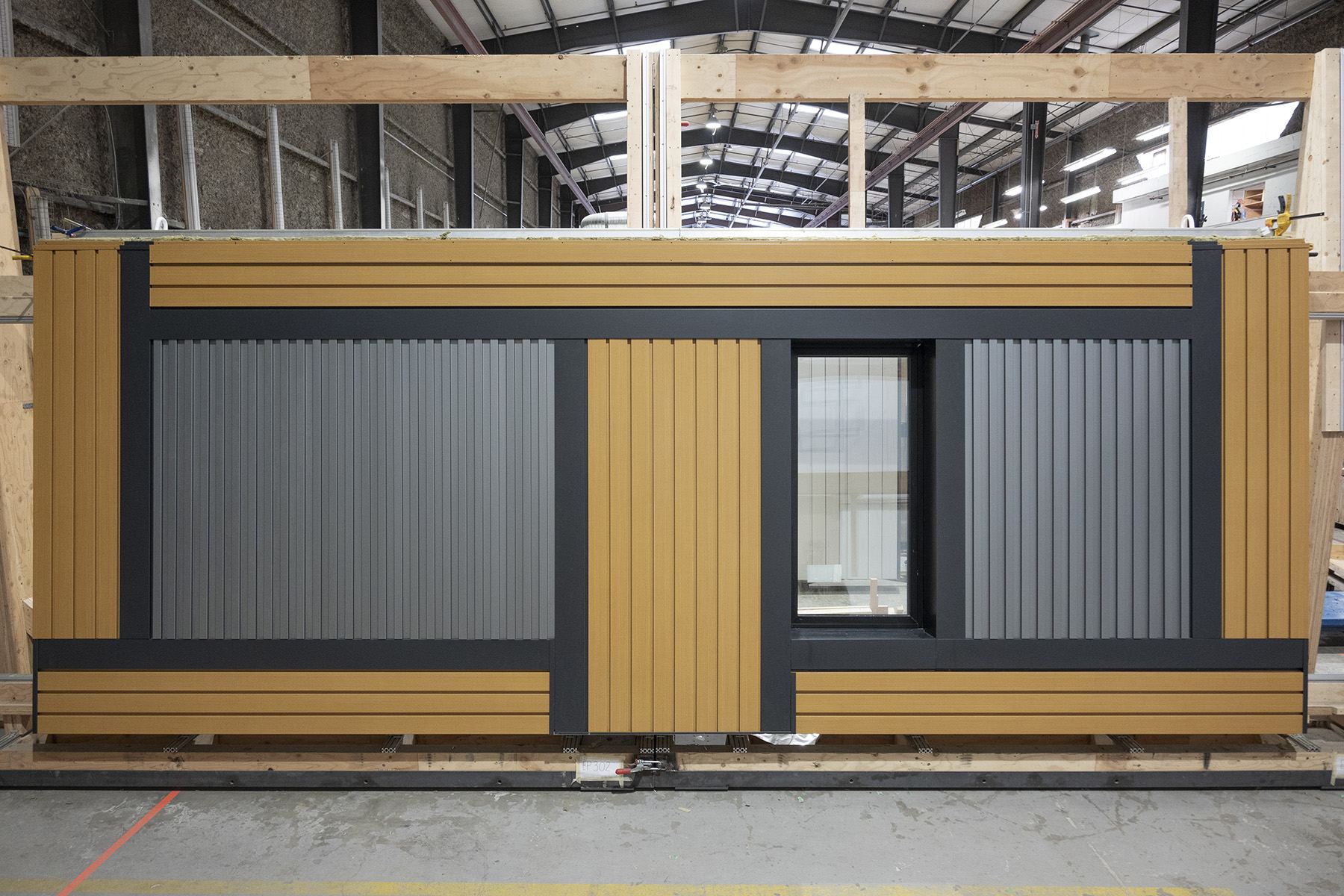
Most industries design a product once and sell it many times. Construction mostly does the opposite. Each building starts with a new team, a new set of details and often a new supply chain, and much of what the team learns leaves with it when the project closes.
This sits behind most of the productivity debate in our industry. It also explains why many prefab and modular efforts disappoint. A factory that builds a different product for every project is still running projects. It has moved the craft indoors.
What a product means in construction
A product in construction is a defined set of components, rules and interfaces that can be configured across many projects and improved from one to the next. The buildings can still differ. Architects still shape each one. The system underneath stays stable enough to price, manufacture, certify and finance with confidence.
Three things change when a company makes that shift.
Design. The design effort moves from individual buildings to the system that produces them: the component library, the configuration rules and the software that turns a design into production data. Each project starts from what the last one proved.
Commercial. The business case moves from the cost of one building to the cost, schedule and cash flow of a pipeline. Some components cost more per square foot and still pay back through a shorter build and earlier revenue. A single-project comparison rarely shows that.
Organization. Someone owns the product. That means a roadmap, versions and a feedback loop from site and factory back to design. Without an owner, every project quietly becomes a new prototype.
Where to start
The first step is usually a clear view of the pipeline: which building types repeat, which components drive cost and schedule, and which decisions the company can standardize without limiting its architects. From there, a company can decide whether to build the capability, partner for it or buy it. A factory comes later, if at all.
Fabrik is German for factory. The decision that matters comes before any factory: is what you build a series of projects, or a product that gets better every time?