This article was originally published on LinkedIn.
Product Platforms and Industrialized Construction (1/3)
Or how we can solve the housing crisis - Part 1
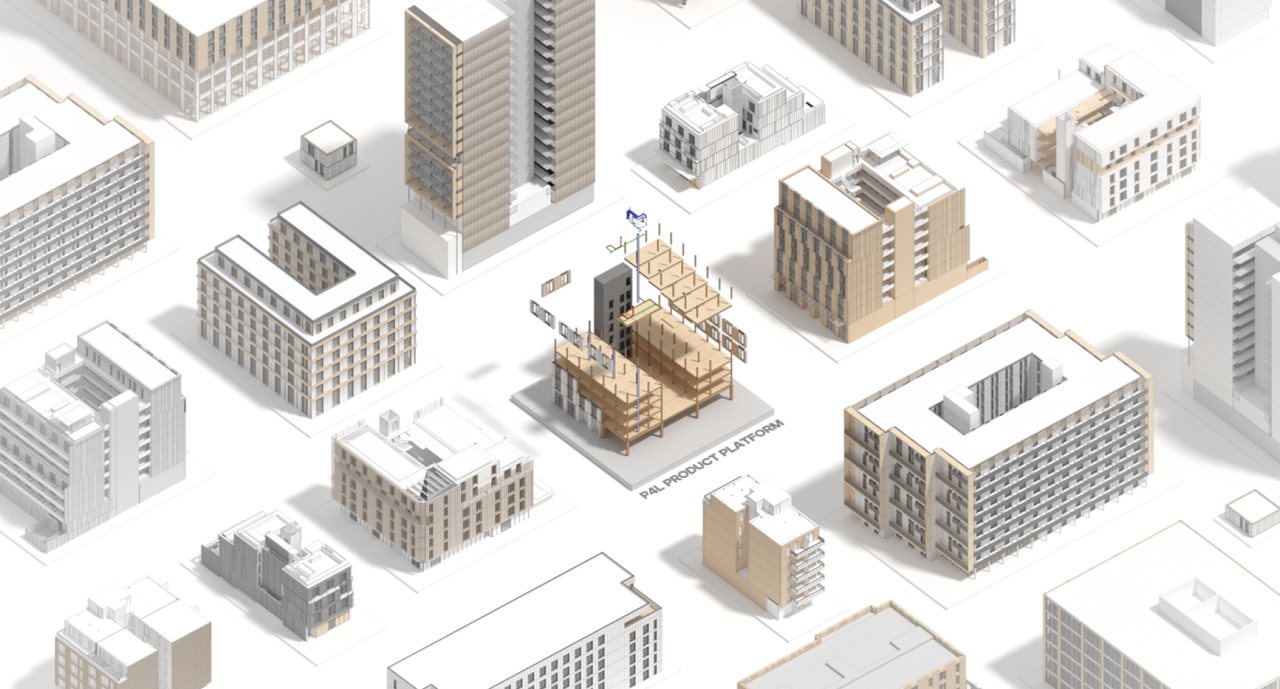
We're at a pivotal moment in construction innovation, especially in the quest to scale housing production in Canada, the US, and beyond. Coupled with growing sustainability goals, we're presented with a unique chance to offer comprehensive solutions and propel our industry into the 21st century.
Mass timber is a great building material with so much potential. But when combined with modern methods of construction (MMC), we can create powerful tools to deliver housing at scale, without sacrificing design, customization or quality. Over the coming weeks, I'll share my insights on merging manufacturing innovation with mass timber to develop what I like to call "Parametric Product Platforms".
Most of the construction knowledge sits within a fragmented supply chain, making it hard to apply innovation consistently. When we consider product platforms in our industry, the goal is to establish appropriate levels of systematization to streamline the design and delivery process. We can categorize four levels of systematization:
- (1) Building systems and components;
- (2) Design and planning process;
- (3) Manufacturing processes; and
- (4) On-site construction.
Yes, this is not a chronological list. Because first, we start by examining the building 'blocks' and figuring out how to systematize them. At Intelligent City, we developed mass timber based building systems (structure, envelope, MEP, etc.) for mid to high-rise residential buildings.
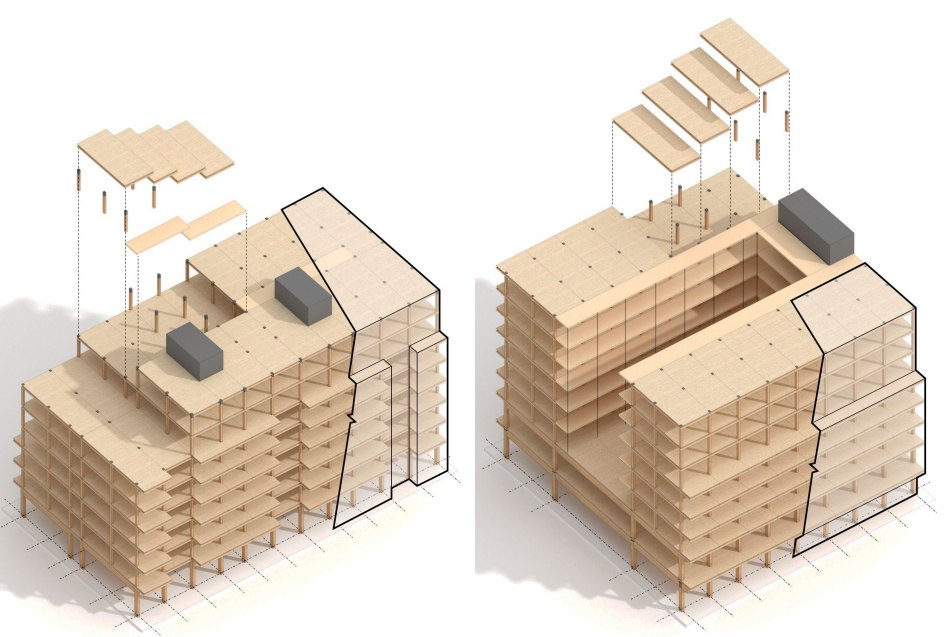
Flexibility is both the key to success of a product platform in housing, and a challenge for scaling manufacturing. That's why we developed adaptable manufacturing automation and parametric software to accommodate customization without increasing the amount of work required. In other words, automation enables customization. In multi-family housing, managing the complexity of building shapes and apartment configurations is vital. Here, product platform development principles come into play:
- (1) DEMAND: Understand your product and market fit
- (2) DEVELOP: Define your components, their variants, and interfaces
- (3) DEPLOY: Outline your design and manufacturing process
At Intelligent City, we developed several building systems for the design and delivery of mass timber urban housing. Our focus was on building typologies and layouts, and how they integrate with prefab structures, MEP services, and prefab envelopes. Design customization is key to making this approach successful.
However, none of this can happen in a vacuum. This is where DfMA comes into play. We can only successfully develop building systems if we understand how they are manufactured, and how we deploy them in a design process. But more on that next time.
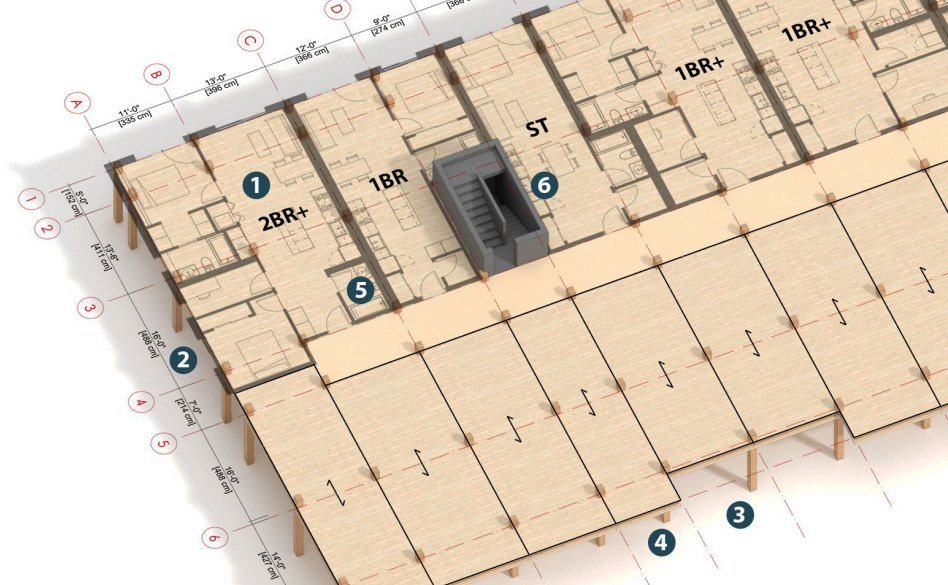
Our building systems offer numerous design flexibilities and articulations for larger structures. For a deeper dive, I highly recommend our new Design and Engineering guide, available for download here.
Intelligent City is not the only company pursuing this approach. I want to particularly mention Andrew Staniforth from Assembly OSM, Vaughan Buckley and Helena Lidelöw from Volumetric Building Companies, zModular, Stack Modular, and many others. I have great respect for all these companies. Together, we can change our industry!
Further reading
- The Product Platform Rulebook, The Construction Innovation Hub UK
- Platforms in Practice, Bryden Wood
- The Power of Product Platforms, Marc H. Meyer and Alvin P. Lehnerd